Buy eduarte.eu ?
We are moving the project
eduarte.eu .
Are you interested in purchasing the domain
eduarte.eu ?
domain@kv-gmbh.de · 0541-91531010
Buy eduarte.eu ?
What cultural differences exist between Central America and South America?
Central America and South America have distinct cultural differences despite sharing some similarities. One key difference is the language spoken; Central America is predominantly Spanish-speaking, while South America has a more diverse range of languages including Spanish, Portuguese, and indigenous languages. Additionally, there are differences in traditional foods, music, and dance styles between the two regions. Central America has a strong influence from indigenous cultures, while South America has a mix of indigenous, African, and European influences. These differences contribute to the unique cultural identities of each region. **
Can anyone recommend a yoga teacher training in South or Central America?
I would recommend looking into the yoga teacher training programs offered by the Nosara Yoga Institute in Costa Rica. They are known for their comprehensive and immersive training programs, and Costa Rica offers a beautiful and serene environment for deepening your yoga practice. Another option to consider is the Yoga Farm in Nicaragua, which offers a 200-hour yoga teacher training program in a tranquil and natural setting. Both of these options provide a unique opportunity to immerse yourself in yoga and connect with the natural beauty of South and Central America. **
Similar search terms for Central America
Top-Angebote
Products related to Central America:
-
Tiny Tots Teens Trends Drawer Game Early Education Montessori Wooden Pitch Ball Box Preschool Learning Training Toy Drawer Game Early Education Montessori Wooden Pitch Ball Box Preschool Learning Training ToyThis Montessori Wooden Pitch Ball Box Drawer Game is a thoughtfully designed earlyeducation toy that transforms playtime into purposeful learning. Crafted for toddlers and preschoolers, it offers a handson, engaging way to support key developmental...39,97 $*Shipping: 0,00 $Secure redirect to the provider
-
Market Central Digital Grip Strength Tester Hand Dynamometer With LCD Display For Power Training Digital Grip Strength Tester Hand Dynamometer With LCD Display For Power TrainingFeel the power of every grip and track your progress with confidence. This digital hand strength tester is designed for athletes, fitness enthusiasts, and anyone looking to measure and improve hand strength. Featuring a clear LCD screen and accurate...69,97 $*Shipping: 0,00 $Secure redirect to the provider
-
Perfect Picks Market Geometric Building Blocks Set For Kids Early Education Intelligence Development Toy Geometric Building Blocks Set For Kids Early Education Intelligence Development ToyUnlock your child's potential with this early education equipment designed to stimulate creativity and intelligence! This geometric set is the perfect building block toy for boys, helping to develop problemsolving skills while having fun. The...35,97 $*Shipping: 0,00 $Secure redirect to the provider




-
Where can you buy contact lenses in South Central America?
Contact lenses can be purchased in South Central America at optical stores, eye care clinics, and some pharmacies. It is recommended to visit an optometrist or ophthalmologist to get a prescription before purchasing contact lenses to ensure they are the correct fit and prescription for your eyes. Additionally, some online retailers may also offer contact lenses for purchase in South Central America. **
-
Why were the indigenous people in Central America so brutal?
The indigenous people in Central America were not inherently brutal; rather, their actions may have been perceived as brutal due to cultural differences and misunderstandings. Additionally, the harsh environment and competition for resources in Central America may have led to conflicts and violence among different indigenous groups. It is important to consider the historical context and complexities of indigenous societies in Central America when discussing their actions. **
-
What indigenous peoples are there in South and Central America?
South and Central America are home to a diverse range of indigenous peoples, including the Quechua and Aymara in the Andean region, the Mapuche in Chile and Argentina, the Guarani in Paraguay and Brazil, the Maya in Mexico and Central America, and the various indigenous groups in the Amazon rainforest such as the Yanomami, Kayapo, and Ashaninka. These indigenous peoples have rich cultural traditions, languages, and ways of life that have been shaped by their deep connection to the land and environment. However, they also face ongoing challenges such as land rights issues, environmental degradation, and social and economic marginalization. **
-
Which islands in Central America are at risk of earthquakes?
Central America is located along the Pacific Ring of Fire, making it susceptible to earthquakes. Some of the islands at risk of earthquakes in Central America include Coiba Island in Panama, Isla de Utila in Honduras, and Isla del Tigre in Honduras. These islands are located near tectonic plate boundaries, increasing their vulnerability to seismic activity. It is important for residents and visitors to be aware of the earthquake risk in these areas and to be prepared for potential disasters. **

Why were the Native Americans in Central America so brutal?
The brutality attributed to some Native American groups in Central America can be attributed to a variety of factors. One reason could be the influence of their belief systems and rituals, which sometimes involved human sacrifice and warfare. Additionally, competition for resources and territory among different tribes could have led to violent conflicts. The arrival of European colonizers also played a significant role in exacerbating tensions and violence within Native American communities. **
Between which longitudes and latitudes are the countries of Central America located?
The countries of Central America are located between approximately 7 degrees north and 14 degrees north latitude, and 77 degrees west and 92 degrees west longitude. This region is situated between North America and South America, connecting the two continents. Central America includes countries such as Belize, Costa Rica, El Salvador, Guatemala, Honduras, Nicaragua, and Panama. **
Top-Angebote
Products related to Central America:
-
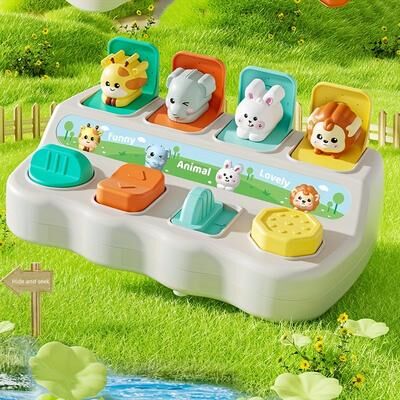
Market Central Montessori Pop Up Animal Toy Learning Box For Kids Logic And Motor Skill Development Montessori Pop Up Animal Toy Learning Box For Kids Logic And Motor Skill DevelopmentMake learning exciting with a playful toy that helps children explore, discover, and build confidence through handson activities. This Montessori pop up animal toy combines fun surprises with skillbuilding exercises designed for toddlers and young...37,97 $*Shipping: 0,00 $Secure redirect to the provider
-
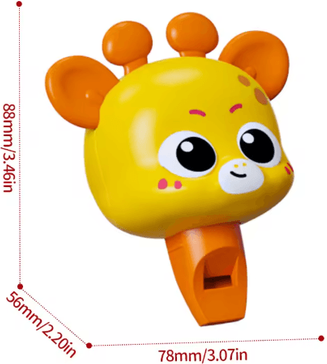
Inspire Picks Interactive Giraffe Suction Cup Toy Multifunctional Sensory Learning And Motor Skills Development Toy whistleEncourage handson learning and playful discovery with this interactive giraffe toy designed for growing minds. Featuring a strong suction cup base, it easily attaches to smooth surfaces for stable, engaging play at home or on the go. Made from safe,...34,93 $*Shipping: 0,00 $Secure redirect to the provider
-
Tiny Tots Teens Trends Drawer Game Early Education Montessori Wooden Pitch Ball Box Preschool Learning Training Toy Drawer Game Early Education Montessori Wooden Pitch Ball Box Preschool Learning Training ToyThis Montessori Wooden Pitch Ball Box Drawer Game is a thoughtfully designed earlyeducation toy that transforms playtime into purposeful learning. Crafted for toddlers and preschoolers, it offers a handson, engaging way to support key developmental...39,97 $*Shipping: 0,00 $Secure redirect to the provider
-
Market Central Digital Grip Strength Tester Hand Dynamometer With LCD Display For Power Training Digital Grip Strength Tester Hand Dynamometer With LCD Display For Power TrainingFeel the power of every grip and track your progress with confidence. This digital hand strength tester is designed for athletes, fitness enthusiasts, and anyone looking to measure and improve hand strength. Featuring a clear LCD screen and accurate...69,97 $*Shipping: 0,00 $Secure redirect to the provider
-
What cultural differences exist between Central America and South America?
Central America and South America have distinct cultural differences despite sharing some similarities. One key difference is the language spoken; Central America is predominantly Spanish-speaking, while South America has a more diverse range of languages including Spanish, Portuguese, and indigenous languages. Additionally, there are differences in traditional foods, music, and dance styles between the two regions. Central America has a strong influence from indigenous cultures, while South America has a mix of indigenous, African, and European influences. These differences contribute to the unique cultural identities of each region. **
-
Can anyone recommend a yoga teacher training in South or Central America?
I would recommend looking into the yoga teacher training programs offered by the Nosara Yoga Institute in Costa Rica. They are known for their comprehensive and immersive training programs, and Costa Rica offers a beautiful and serene environment for deepening your yoga practice. Another option to consider is the Yoga Farm in Nicaragua, which offers a 200-hour yoga teacher training program in a tranquil and natural setting. Both of these options provide a unique opportunity to immerse yourself in yoga and connect with the natural beauty of South and Central America. **
-
Where can you buy contact lenses in South Central America?
Contact lenses can be purchased in South Central America at optical stores, eye care clinics, and some pharmacies. It is recommended to visit an optometrist or ophthalmologist to get a prescription before purchasing contact lenses to ensure they are the correct fit and prescription for your eyes. Additionally, some online retailers may also offer contact lenses for purchase in South Central America. **
-
Why were the indigenous people in Central America so brutal?
The indigenous people in Central America were not inherently brutal; rather, their actions may have been perceived as brutal due to cultural differences and misunderstandings. Additionally, the harsh environment and competition for resources in Central America may have led to conflicts and violence among different indigenous groups. It is important to consider the historical context and complexities of indigenous societies in Central America when discussing their actions. **
Similar search terms for Central America
-
Perfect Picks Market Geometric Building Blocks Set For Kids Early Education Intelligence Development Toy Geometric Building Blocks Set For Kids Early Education Intelligence Development ToyUnlock your child's potential with this early education equipment designed to stimulate creativity and intelligence! This geometric set is the perfect building block toy for boys, helping to develop problemsolving skills while having fun. The...35,97 $*Shipping: 0,00 $Secure redirect to the provider
-
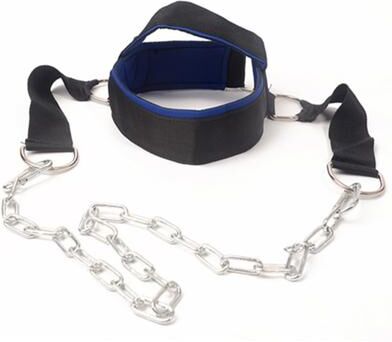
Market Central Adjustable Neck Training Harness For Strength Training And Fitness Workouts blueBuild strength and confidence with a simple tool designed for targeted training. This adjustable neck training harness helps fitness enthusiasts, athletes, and gym users add resistance exercises to their routines. Made for comfortable wear and easy...44,97 $*Shipping: 0,00 $Secure redirect to the provider
-
Inspire Picks Interactive Giraffe Suction Cup Toy Multifunctional Sensory Learning And Motor Skills Development Toy multi FuntionalEncourage handson learning and playful discovery with this interactive giraffe toy designed for growing minds. Featuring a strong suction cup base, it easily attaches to smooth surfaces for stable, engaging play at home or on the go. Made from safe,...34,93 $*Shipping: 0,00 $Secure redirect to the provider
-
What indigenous peoples are there in South and Central America?
South and Central America are home to a diverse range of indigenous peoples, including the Quechua and Aymara in the Andean region, the Mapuche in Chile and Argentina, the Guarani in Paraguay and Brazil, the Maya in Mexico and Central America, and the various indigenous groups in the Amazon rainforest such as the Yanomami, Kayapo, and Ashaninka. These indigenous peoples have rich cultural traditions, languages, and ways of life that have been shaped by their deep connection to the land and environment. However, they also face ongoing challenges such as land rights issues, environmental degradation, and social and economic marginalization. **
-
Which islands in Central America are at risk of earthquakes?
Central America is located along the Pacific Ring of Fire, making it susceptible to earthquakes. Some of the islands at risk of earthquakes in Central America include Coiba Island in Panama, Isla de Utila in Honduras, and Isla del Tigre in Honduras. These islands are located near tectonic plate boundaries, increasing their vulnerability to seismic activity. It is important for residents and visitors to be aware of the earthquake risk in these areas and to be prepared for potential disasters. **
-
Why were the Native Americans in Central America so brutal?
The brutality attributed to some Native American groups in Central America can be attributed to a variety of factors. One reason could be the influence of their belief systems and rituals, which sometimes involved human sacrifice and warfare. Additionally, competition for resources and territory among different tribes could have led to violent conflicts. The arrival of European colonizers also played a significant role in exacerbating tensions and violence within Native American communities. **
-
Between which longitudes and latitudes are the countries of Central America located?
The countries of Central America are located between approximately 7 degrees north and 14 degrees north latitude, and 77 degrees west and 92 degrees west longitude. This region is situated between North America and South America, connecting the two continents. Central America includes countries such as Belize, Costa Rica, El Salvador, Guatemala, Honduras, Nicaragua, and Panama. **
* All prices are inclusive of VAT and, if applicable, plus shipping costs. The offer information is based on the details provided by the respective shop and is updated through automated processes. Real-time updates do not occur, so deviations can occur in individual cases. ** Note: Parts of this content were created by AI.